
In today’s competitive marketplace, businesses are under constant pressure to grow revenue while controlling costs. While customer acquisition often gets the most attention, long-term profitability is more strongly influenced by how well a company retains its existing customers. Effective customer retention strategies help businesses build stable revenue, improve margins, and create sustainable growth over time. This article explains how retention directly contributes to higher long-term profits.
Understanding Customer Retention Strategies
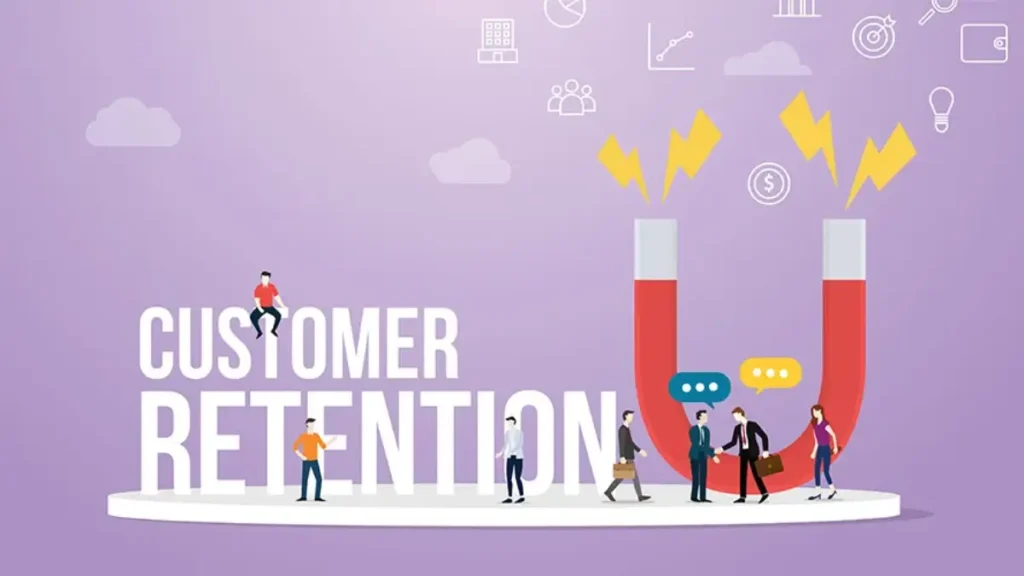
Customer retention strategies are deliberate efforts designed to keep customers engaged and loyal after their first purchase. These strategies focus on delivering consistent value, maintaining strong relationships, and encouraging repeat business. Retention is not a single tactic but a combination of customer experience, communication, service quality, and trust-building practices.
When customers remain loyal, businesses benefit from lower costs and higher revenue per customer.
Why Retained Customers Are More Profitable
Retained customers are already familiar with a brand and its offerings. This familiarity reduces the effort and cost required to convert them again. Over time, loyal customers often spend more, purchase more frequently, and are more receptive to additional products or services.
Retention also reduces dependency on constant customer acquisition, which typically involves higher marketing and advertising expenses.
How Customer Retention Strategies Increase Long-Term Profits
Reduced Marketing and Sales Costs
Retention-focused communication, such as email updates or loyalty rewards, costs significantly less than acquiring new customers through paid campaigns. Lower marketing expenses directly improve profit margins.
Higher Customer Lifetime Value
When customers stay longer, their total spending increases. Even small improvements in retention can lead to substantial gains in overall revenue over time.
Improved Upselling and Cross-Selling Opportunities
Existing customers are more likely to trust recommendations. This makes upselling and cross-selling more effective and less resource-intensive.
More Predictable Revenue Streams
A loyal customer base creates consistent, recurring revenue. Predictability allows businesses to plan investments, staffing, and marketing budgets more efficiently.
Stronger Brand Advocacy
Satisfied customers often recommend the brand to others. These referrals bring in new customers at a lower cost, further boosting profitability.
Highlight Table: Retention Impact on Long-Term Profits
| Retention Strategy | Business Advantage | Profit Impact |
|---|---|---|
| Loyalty Programs | Encourages repeat purchases | Increased revenue |
| Personalized Engagement | Builds stronger relationships | Higher lifetime value |
| Quality Customer Support | Improves satisfaction | Reduced churn |
| Feedback and Improvement | Aligns offerings with needs | Better product-market fit |
| Referral Incentives | Drives organic growth | Lower acquisition costs |
Retention and Business Stability
Long-term profits depend on stability. Retention strategies help businesses avoid revenue volatility by reducing customer churn. A stable customer base also strengthens brand reputation and increases resilience during market fluctuations.
Balancing Retention and Acquisition
While retention is critical, it should complement acquisition efforts rather than replace them. Businesses that balance both strategies achieve healthier growth and stronger profitability. Retention ensures that acquisition investments deliver lasting value rather than short-term gains.
Conclusion
Customer retention strategies play a central role in increasing long-term profits. By lowering marketing costs, increasing customer lifetime value, and creating predictable revenue streams, retention becomes a powerful driver of sustainable success. Businesses that prioritize retention not only grow more efficiently but also build stronger, more profitable customer relationships over time.