
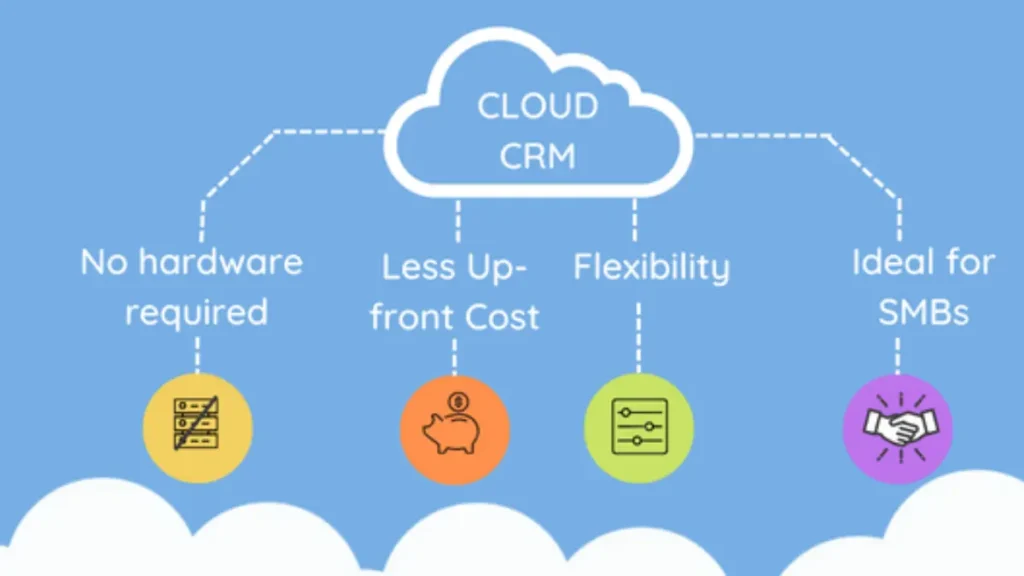

In an increasingly digital business environment, organizations need systems that are flexible, scalable, and accessible. Traditional on-premise tools often limit collaboration and slow decision-making. This is where cloud-based CRM systems have become essential. By storing data online and enabling real-time access, cloud CRM platforms help businesses improve sales performance, marketing effectiveness, and customer support quality.
This article explains how cloud-based CRM systems create measurable improvements across these three core business functions.
What Is a Cloud-Based CRM?
A cloud-based CRM is a customer relationship management system hosted on remote servers and accessed through the internet. Unlike traditional systems that require local installation, cloud CRM platforms allow teams to log in from anywhere using a secure connection. All customer data, interactions, and analytics are updated in real time.
This centralized and flexible structure makes cloud CRM a powerful tool for modern businesses.
How Cloud-Based CRM Improves Sales Performance
Cloud-based CRM systems give sales teams instant access to lead data, communication history, and pipeline status. Sales representatives can update deal progress in real time, ensuring that no opportunity is overlooked.
Key benefits for sales teams include:
- Faster lead response times
- Clear visibility into the sales pipeline
- Accurate forecasting based on real data
With cloud access, sales teams can work efficiently whether they are in the office or in the field, maintaining momentum throughout the sales cycle.
How Cloud-Based CRM Enhances Marketing Effectiveness
Marketing teams rely heavily on data to create targeted campaigns. A cloud-based CRM collects customer behavior, preferences, and engagement history in one platform. This allows marketers to segment audiences more effectively and deliver personalized messaging.
Cloud CRM systems help marketing teams:
- Track campaign performance in real time
- Align marketing efforts with sales goals
- Improve lead nurturing and conversion rates
By integrating marketing data with sales insights, cloud CRM systems ensure consistent messaging across the entire customer journey.
How Cloud-Based CRM Strengthens Customer Support
Customer support teams benefit significantly from cloud-based CRM systems. With complete access to customer profiles and interaction history, support agents can resolve issues faster and more accurately.
Key advantages include:
- Faster issue resolution
- Consistent service across channels
- Better customer satisfaction and retention
Cloud CRM systems also support automation, allowing routine requests to be handled efficiently while agents focus on complex cases.
Highlight Table: Impact of Cloud-Based CRM Across Teams
| Business Function | Cloud CRM Capability | Business Outcome |
|---|---|---|
| Sales | Real-time pipeline access | Faster deal closures |
| Marketing | Data-driven segmentation | Higher campaign ROI |
| Customer Support | Unified customer history | Improved service quality |
| Management | Centralized reporting | Better strategic decisions |
| Operations | Scalable cloud access | Lower operational costs |
Why Businesses Prefer Cloud-Based CRM
Cloud-based CRM systems reduce infrastructure costs, simplify maintenance, and scale easily as businesses grow. Automatic updates ensure teams always have access to the latest features without system downtime or manual upgrades.
Security protocols and data backups further protect sensitive customer information, making cloud CRM a reliable long-term solution.
Conclusion
Cloud-based CRM systems improve sales, marketing, and customer support by centralizing data, enabling collaboration, and providing real-time insights. They help teams work more efficiently, respond faster to customer needs, and make informed decisions. For businesses aiming to stay competitive and customer-focused, cloud-based CRM is a strategic investment rather than a technical upgrade.