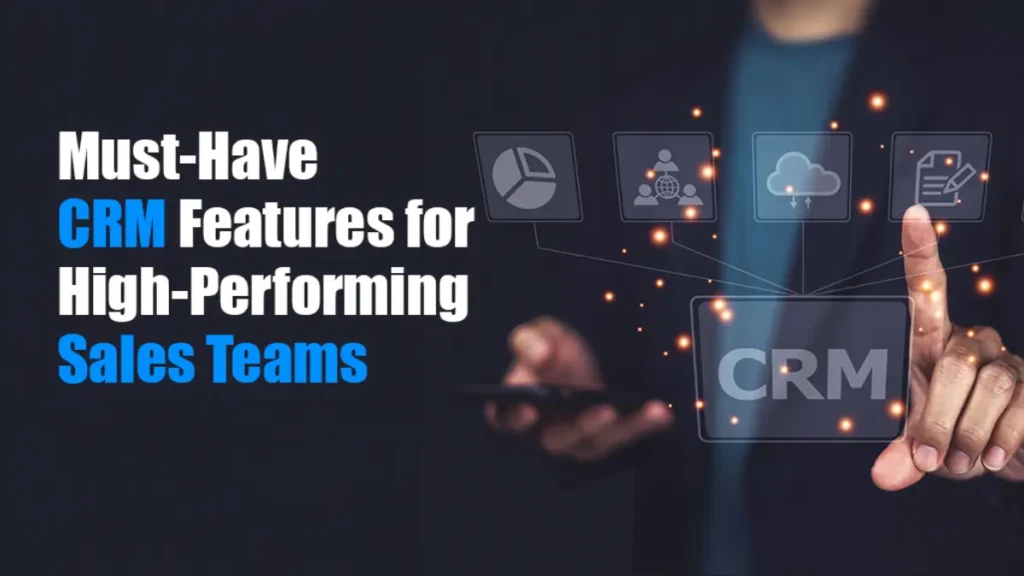

In highly competitive markets, sales success is no longer driven by instinct alone. High-performing sales teams rely on structure, data, and consistency to outperform their competitors. One of the most important tools supporting this performance is a Sales CRM system. But why do top sales teams consistently depend on Sales CRM platforms, and how do these systems contribute to better results?
This article explores the key reasons Sales CRM tools have become essential for high-performing sales organizations.
The Role of Sales CRM in Modern Sales Operations
A Sales CRM (Customer Relationship Management system) centralizes customer information, tracks interactions, and manages the sales pipeline. It creates a single source of truth for sales teams, ensuring every lead, conversation, and opportunity is properly documented and accessible.
Rather than relying on fragmented data or memory, sales teams use CRM systems to operate with clarity and precision.
How Sales CRM Drives High Performance
Consistent Sales Processes
High-performing teams follow repeatable processes. A Sales CRM standardizes workflows, ensuring that every lead receives timely follow-ups and consistent communication, regardless of which sales representative is involved.
Better Lead Prioritization
CRM systems allow teams to rank leads based on behavior, engagement, and readiness to buy. This prioritization ensures sales representatives spend their time on opportunities with the highest potential value.
Improved Collaboration Across Teams
Sales CRM platforms make it easy for teams to share information. Managers, sales reps, and support staff can access the same customer data, reducing miscommunication and improving alignment.
Accurate Sales Forecasting
Top sales teams rely on data-driven forecasts. CRM analytics provide insights into pipeline health, expected revenue, and deal timelines, enabling better planning and goal setting.
Enhanced Customer Relationships
A CRM stores detailed customer histories, allowing sales professionals to personalize interactions. Strong relationships lead to higher trust, better retention, and more referrals.
Highlight Table: Why High-Performing Teams Use Sales CRM
| Sales CRM Capability | Business Purpose | Performance Impact |
|---|---|---|
| Centralized Customer Data | Single source of information | Fewer errors and gaps |
| Lead Scoring | Prioritizes high-value prospects | Higher close rates |
| Workflow Automation | Standardizes follow-ups | Improved consistency |
| Sales Analytics | Tracks performance metrics | Smarter decision-making |
| Team Collaboration Tools | Aligns sales efforts | Faster deal movement |
Sales CRM and Team Accountability
High-performing sales teams are accountable. CRM systems track activities, follow-ups, and outcomes, making performance transparent. Managers can coach more effectively by identifying strengths, weaknesses, and training needs based on real data.
Is Sales CRM Only for Large Organizations?
While enterprise teams benefit from CRM systems, small and mid-sized sales teams often gain the most immediate impact. A Sales CRM helps smaller teams operate with the efficiency and discipline of larger organizations, without adding complexity.
Final Thoughts
High-performing sales teams rely on Sales CRM systems because they bring structure, insight, and efficiency to the sales process. By improving lead management, collaboration, forecasting, and customer engagement, CRM tools help teams consistently deliver strong results. In a competitive environment, Sales CRM is no longer optional—it is a foundational tool for sustained sales excellence.